Either way, I still wouldn’t claimed to have “learned” it, I might say that I’ve acquired it, however language acquisition’s a lifelong pursuit and there’s no rush to the finish line, since I’m still learning things in even my mother tongue and I’m understanding it even more with relation to other languages which relate to it.
3 Likes
My native language is English, and I haven’t learned that language yet.
I’m not sure it’s even possible to fully learn a language.
On the other hand, I was speaking German confidently (albeit badly) after just three months in Germany.
So I guess it depends on what you call “learned”.
5 Likes
我学习的语言是日语,我学习了三年半,1500小时,才能差不多稍微流畅的阅读,但是远远不够,总有不会的词汇搭配,以及关于语法的困境,我的目标是看懂日语的动漫和漫画,小说,以及游戏,所以我在lingq的内容也是专注在这些方面的。
我现在对于我的语言水平还算满意,我读了一部接近上千章节的小说,读到300章以后,基本可以流畅的阅读,因为作者的常用词汇我已经学完了,经过大量上下文的重复,增长词汇真的很快
这么长时间的学习,确实体会到这是一条漫长的路,我一直在学习新词汇,复习旧词汇,但是真的非常多,我预计我再付出俩三倍的时间,能得到我预期的效果,也就是4500小时,即使是日本人,懂得的词汇也有上限的,惯用语都会有上限,我通过lingq无限的学习,我总有一天会达到日本人的词汇量,可以看懂大多数日语小说,可以遨游在日语的内容,当然是不接触跨专业的内容
1 Like
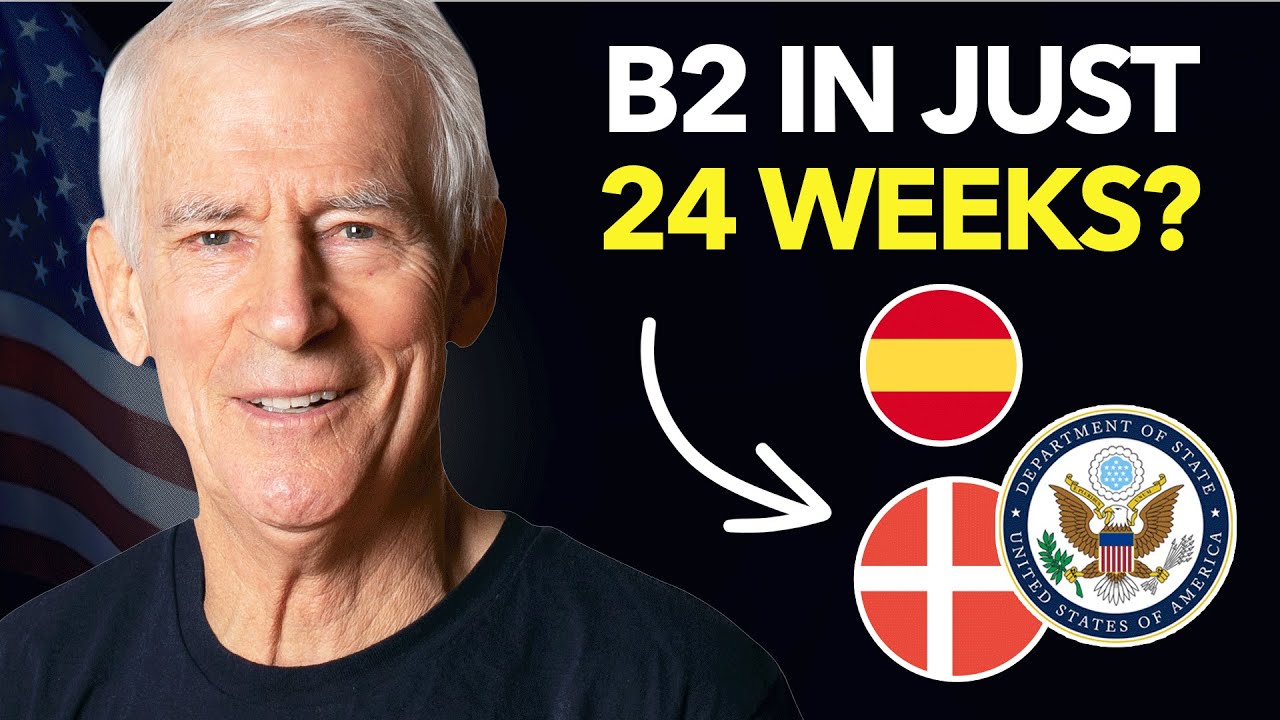
A few caveats on the FSI numbers. That’s 600-700 classroom hours plus several hours daily study outside class. Furthermore the classes are based on canned dialogs and the fluency achieved only covers a subset of the language useful for the Foreign Service.
Steve Kaufmann strongly doubts the FSI achieves full B2 in that time:
–Steve Kaufmann, “How U.S. diplomats learn languages | FSI language courses review”
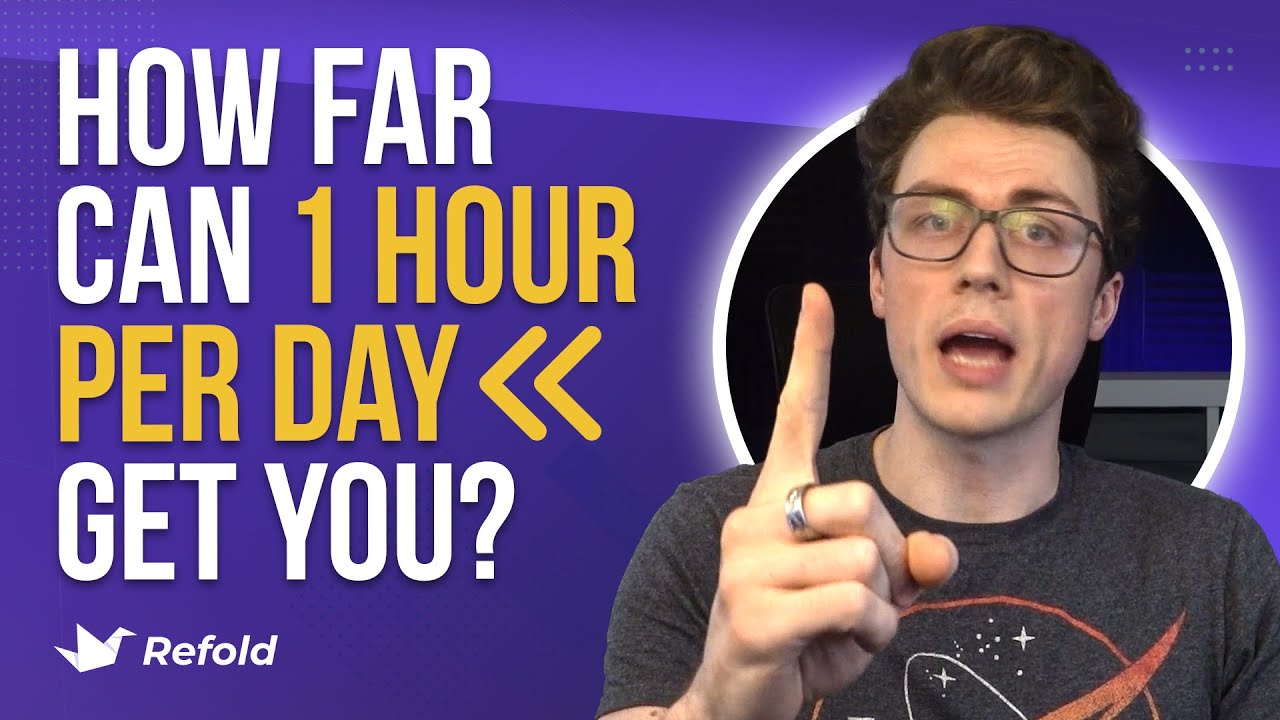
Refold (Matt vs Japan’s language learning venture) has an interesting timeline in hours to basic fluency, which is 2200 hours multiplied by a difficulty factor, which for French and Spanish is 0.8. By that reckoning, it would take 1750 hours for Spanish using the Refold method, which is largely based on Comprehensible Input.
–“Can you REALLY make progress with 1 hour per day?”
1 Like
I almost completed the Duolingo French course in 8 months. I was a few months away from completion when they totally rearranged the course, making it unusable. I knew some French beforehand and I was studying one hour a day. I worked out that after they changed the course, starting from zero, doing one hour a day, it would have taken me four years to complete. And at the end I would not be able to understand clear spoken French e.g. a discussion on French radio. Duolingo has serious problems including:
-
The speech is unnatural, as it’s voice actors reading scripts. People don’t talk like that.
-
The characters were really strange to the point of being bizarre. If someone spoke like that in real life, I’d avoid them.
-
There were numerous errors in the English grammar and sometimes I couldn’t understand it.
-
There were errors in the French, as confirmed by native French speakers.
-
British English translations are often not allowed.
-
It has a very formulaic approach, with simple one to one translation. Language isn’t like that.
-
Even at the end you haven’t been exposed to much French.
-
They don’t use spaced repetition properly. I was exposed to phrases many times over a few weeks, then a month or two later I’d forgotten them.
In my opinion LingQ knocks the socks off of Duolingo, even though I’ve whined a lot about bugs in LingQ. Duolingo is a game, LingQ is a language learning app. In 8 months with LingQ I made massively more progress than with Duolingo. Duo simply does not leverage the brain’s natural language learning powers.
IMO Babbel is much better than Duo, if you must use a lesson style app.
As to time required to learn a language, I was thinking that I am a slow learner because these claims of six months to B2, or fluent, didn’t match my experiences. I’d say it’s more like thousands of hours. After several thousand hours ice skating practice, I’m getting quite good, so I think any complex skill (speaking a language, playing an instrument, performing a complex sport such as karate or skating) requires thousands of hours of deliberate practice.
2 Likes
I noticed a youtube comment below the video that reinforced Steve’s point:
“I retired from the State Department in 2021. And I went through the French course at FSI. During the course the teachers as well as the administration stressed that the learning didn’t end at FSI. We were also encouraged to continue studying our respective languages at our overseas assignments, which is what I did. I totally agree, going from zero to B1 in less than a year is a bit of a stretch. But the training at FSI/NFATC was an excellent starting point.”- Youtube user williebrown4266
1 Like
Copy that.
I’m a year into French, working 4-5 hours/day active immersion, mostly Comprehensible Input on LingQ. Two hours/day passive immersion. Based on some glowing reports on the web, I thought I’d be further along. Tomorrow I will reach Advanced 1 on LingQ.
I know I am far from B2, much less C1, on CEFR. I’m a strong intermediate reader, but I am still poor at listening comprehension and I’ve only begun stringing words together for output.
I am not complaining nor requesting advice. In the past week I noticed my reading speed about doubled.
French is clicking in. However, I am on board that this is a project involving many, many hundreds of hours. It’s likely I could have been more efficient. I jumped to novels in French almost immediately because that’s what I wanted to read and LingQ made that possible.
I’m grateful for where I am. I’m now reading Hemingway and J.D. Salinger in French without much trouble. I’m working on the listening and speaking.
I’ll get there. I’ll be in France, Spring 2025. Let’s meet!
I think we improve with time and experience. Although children learn naturally, adults tend not to. As I have progressed in French and then German, I have experimented with different approaches, and dropped those methods that were not so good. Plus having reached a high level of comprehension in French, I have a better understanding of how languages are learnt. I now see what my problems were, and I see where I was adopting English habits, such as the wrong timing. So I am more alert to the changes I need to make when learning German. I also recognise that things such as the accent just take time, let the brain do its thing naturally, so it’s best not to worry about errors.
Someone like Steve Kaufmann will have a brain that has physically changed due to language learning. Studies of others suggest his hypocampi should be enlarged, but I bet that does not apply to people like me with limited experience of language learning.
That said, language learning really is a slog, a marathon on steroids.
My stats 2.537M
Words of Reading
Level of reading like B2, understanding of movies/audio different. Depends on the topic. Now much more easily understand politics, and cartoons. If I start watching anything related to the story or detective, I might understand nothing. Still not enough, but I feel more confident. Shifted focus on watching movies.
2 Likes